
Why Propane Operational Efficiency Is Key to Sustainability & Growth
Sustainability in propane operations is built through everyday decisions that improve efficiency, reliability & long-term resilience
In the propane industry, sustainability is often misunderstood as a trend or a marketing initiative. In reality, sustainability has become an operational imperative. Over the past several years, the industry has experienced a significant shift toward propane operational efficiency, driven largely by rapid and widespread technological advancement. Companies that embrace these changes are not simply adapting; they are positioning themselves to thrive.
Sustainability is not about following trends. It is about resilience. It requires a willingness to continuously improve, evolve operations and remain flexible as new tools and expectations emerge.
That constant movement can be challenging, but it also brings new perspective and pushes organizations to find better, smarter ways to operate while keeping customer service at the center of the business.
In many ways, sustainability in propane operations is like a rolling train. The train must keep moving forward, but the tracks must constantly be aligned to ensure it can travel at top speed safely and smoothly while still delivering a great experience for the passengers. Every adjustment, whether large or small, contributes to long-term success.
Sustainability in Everyday Operations
In today’s propane industry, sustainability often shows up in day-to-day operational decisions rather than high-profile initiatives. Dispatch, route optimization and delivery scheduling are some of the clearest examples.
Optimized routing allows trucks to operate more efficiently and serve more customers in less time. Less distance driven means lower fuel consumption, reduced wear on vehicles and less fatigue for drivers. Well-planned routes also make it possible to complete more deliveries in a day, improving productivity while maintaining safety.
When drivers spend less time on the road and reach more customers with greater consistency, everyone benefits — the company, the employee and the customer.
These improvements may seem gradual, but over time they generate meaningful gains in efficiency, cost control and service quality.
The Impact of Tank Monitoring & Telemetry
One of the most significant operational shifts in recent years has been the adoption of telemetry and tank monitoring systems.
These technologies provide real-time visibility into tank levels and consumption patterns, fundamentally changing how companies plan and execute deliveries. With accurate data, propane companies can prepare routes more effectively, anticipate customer demand and reduce emergency or unscheduled deliveries.
This improves operational efficiency and reduces stress across the company, from dispatchers to drivers to customer service teams.
Tank monitoring also provides substantial value to customers. It relieves the responsibility of monitoring fuel levels and making phone calls, offering peace of mind and confidence that their supply is being managed proactively. Fewer phone calls, fewer runouts and more reliable service contribute directly to improved customer satisfaction.
From an operational standpoint, real-time data allows companies to plan ahead, account for weather conditions and forecast demand more accurately. Better planning leads to better scheduling, supporting sustainability through reduced fuel use, optimized labor and improved asset use.
Asset Management & Recertification
Sustainability is also reflected in how companies manage physical assets. Cylinder and tank recertification programs are a strong example. When tanks reach the end of their initial certification period, recertification allows them to remain in service for an additional 10 to 25 years.
Investing in proper recertification infrastructure and reuse practices reduces waste, lowers capital expenditures and protects valuable assets. These efforts also support safety and compliance while helping reduce liability associated with aging or improperly maintained equipment.
Extending the life of existing assets through maintenance and recertification highlights an important aspect of sustainability: protecting what already exists. This approach is both environmentally responsible and financially sound.
Infrastructure & Reliability
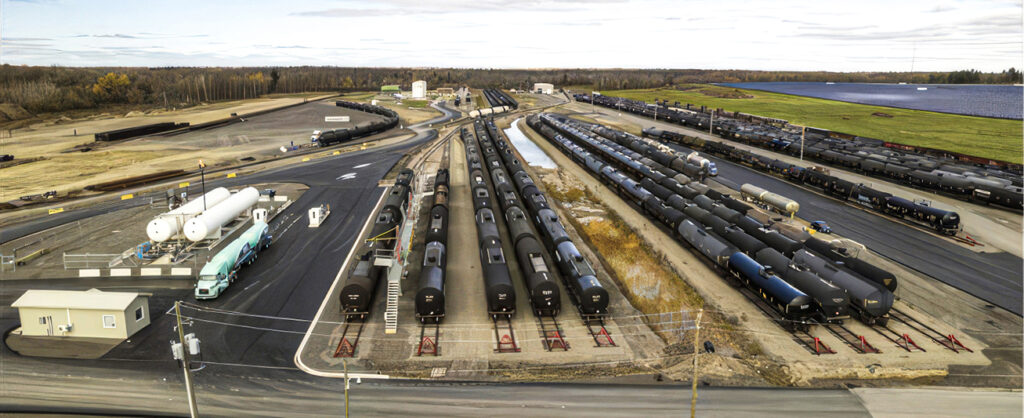
Reliable infrastructure is another critical element of operational sustainability. To protect supply and maintain service continuity, many propane companies are investing in backup power systems at bulk plants and rail facilities. These investments help prevent product loss and ensure operations can continue during power outages, severe weather events or other disruptions.
In an industry where reliability is essential, these measures strengthen customer trust and long-term resilience. Downtime is costly not only in lost revenue, but also in reputational impact. Proactive infrastructure investments help keep operations running and reduce losses of time and money.
Renewable Propane & the Future
No discussion of sustainability in the propane industry is complete without acknowledging the introduction of renewable propane. This innovation represents a significant opportunity for the industry to strengthen its environmental profile while maintaining the reliability and performance customers expect.
As renewable propane continues to develop and expand, it will play an important role in positioning the propane industry for the future, supporting sustainability goals while reinforcing propane’s value as a clean, versatile and dependable energy solution.
Sustainability as a Mindset
Ultimately, sustainability in the propane industry is not defined by a single initiative. It is a mindset that influences everyday decisions, from major technology investments to small operational improvements.
Whether it is upgrading a dispatch system, implementing advanced scheduling software, investing in automated safety training or improving communication systems, sustainability is embedded in daily operations. Each action contributes to efficiency, safety and long-term stability.
Efficiency is sustainability. By continuously improving operations, embracing technology and prioritizing effective customer service, propane companies can build resilient businesses prepared for the challenges and opportunities ahead.
Source Note: This article is based on the author’s professional experience in propane distribution and observations of operational practices across the industry. General industry knowledge is informed by publicly available resources from organizations such as the Canadian Propane Association and the Propane Education & Research Council.
OUR DIGITAL PARTNERS