



Reliable energy is a lifeline, especially for those who choose the peace and solitude of remote living. However, for propane delivery providers and retailers, the phrase “delivery as usual” often stops where the pavement ends.
Delivering fuel to a mountain cabin or a rural estate involves far more than simply driving from point A to point B; it requires a specialized blend of smart technology and proactive customer education. By integrating technology with clear communication, providers can ensure that even the most secluded homes remain warm and powered, regardless of the terrain.
Navigating Challenging Terrains
Accessing remote properties often presents significant logistical hurdles for standard delivery vehicles. Geographical constraints, such as steep driveways and restricted-width roads, require more than routine service. It is important that delivery protocols prioritize safety and precision, ensuring that even the most difficult-to-reach properties receive consistent, uninterrupted energy service.
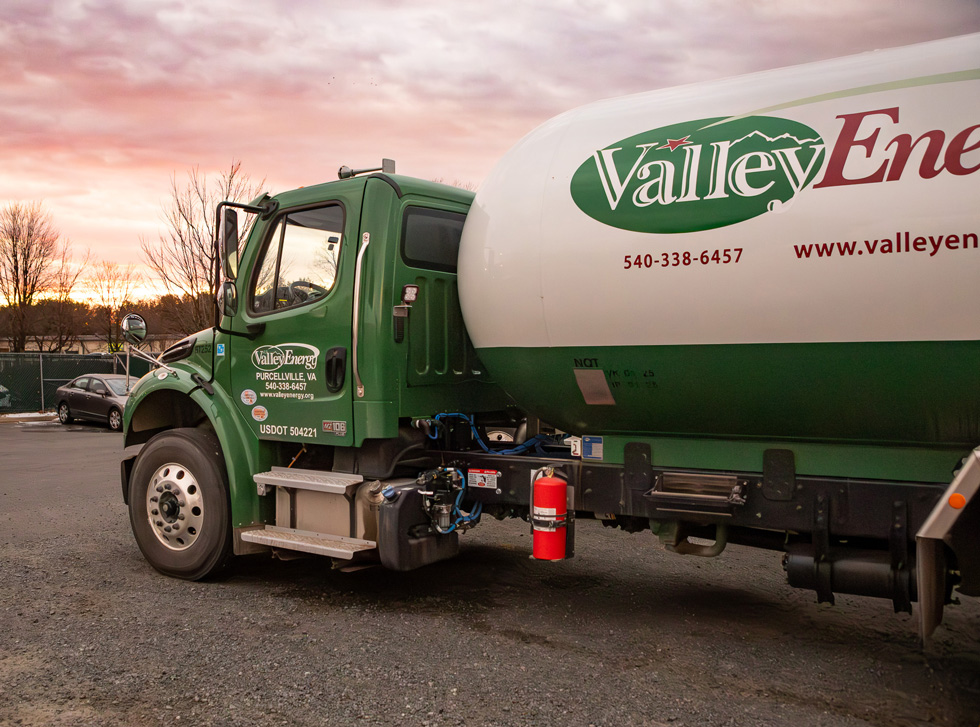
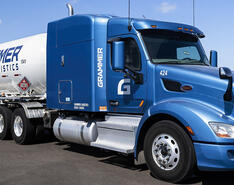
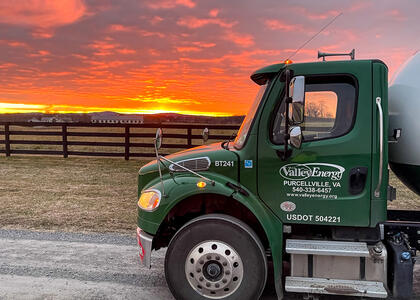
To address these challenges, it’s important to maintain a reliable fleet engineered specifically to navigate the rugged terrain common in rural regions. By integrating advanced vehicle technology with rigorous safety protocols, companies can ensure precision delivery even under the most demanding conditions.
A commitment to specialized logistics allows companies to provide consistent, uninterrupted propane service to properties that others may find inaccessible.
Winter Readiness for Successful Deliveries
Prior to the first snowfall of the season, it is important to encourage customers to begin their winter property preparations. For those in remote locations or with challenging terrain, winter weather presents unique logistical hurdles. Ensuring that delivery routes are clear and accessible is vital; if a site is deemed inaccessible due to snow or ice, deliveries may unfortunately be delayed or rescheduled to ensure the safety of drivers and equipment. Taking proactive steps now helps to maintain a reliable schedule and ensures your home remains heated throughout the season.
By reminding customers of the following three things, you can help ensure a successful winter delivery in locations that may be more difficult to reach:
1. Keep It Clear — Ensure Access for Delivery Drivers: Clear pathways are nonnegotiable for safe and efficient fuel delivery. Shovel or clear a path to your fill location. This allows the driver to safely connect the hose. If snowfall is expected, make sure your driveway is plowed or cleared wide enough to provide a minimum of 9 feet of clearance for the delivery truck to enter and maneuver safely.
2. Mark the Spot — Make Your Location Visible: Inclement weather can drastically reduce visibility, making it difficult for drivers to locate your property and your specific tank. Ensure your house number is clearly visible from the road. Mark propane tanks and dome lids before bad weather arrives using a driveway marker or flag that stands above the potential snow level.
3. Be Prepared — Monitor Levels & Emergency Contacts: Preparation includes being proactive about your fuel supply and having the necessary contact information readily available.
Tank Monitors for Tracking Usage
Eliminate the winter delivery stress for the moments of increased usage. During peak winter months, propane consumption doesn’t just increase; it fluctuates wildly based on cold snaps and wind chill. For remote customers, the fear of a “run-out” is a constant source of stress.
Tank monitors allow propane providers and the customer to track their usage. These are especially useful for customers with propane-powered generators in remote locations, given their unpredictable usage and higher Btu load demand. Providing service to remote locations is a logistical challenge. Tank monitors allow for optimized routing, which is better for both the customer and the propane company.
Customer Text Notifications
During peak “heating season,” life gets busy. Automated reminders act as a safety net for those who prefer to manage their own ordering. For a customer at the end of a long, private road, a delivery truck isn’t just a vehicle; it’s a vital resource. Text notifications provide a transparent window into provider operations:
Low-Level Alerts: By syncing the customer’s tank monitor with a company messaging system, an automated text is triggered the moment the tank hits a specific threshold (e.g., 30%). This removes the “out of sight, out of mind” risk common with remote properties.
Confirmation of Service: A “Delivery Complete” text offers immediate peace of mind. For seasonal residents or those away from home, knowing their fuel has been replenished provides the confidence that their property is protected against freezing temperatures.
Reliability is the foundation of remote service. Regular, automated updates prove to the customer that we are watching their back, even when they aren’t looking at their tank.
Ultimately, bridging the gap between the terminal and a remote mountain home is a shared responsibility. By combining a specialized fleet and real-time monitoring technology with a customer base that prioritizes site accessibility, retailers can transform “difficult” deliveries into routine successes.
Investing in these preparations ensures that no matter how far off the beaten path a property may be, it remains a safe, warm and reliable sanctuary throughout the harshest months of the year.