



In the commercial trucking sector, especially in the transport of natural gas liquids (NGLs), safety, regulatory compliance and reliability are nonnegotiable requirements. These elements are not just operational details, but strategic initiatives that directly shape a company’s legal exposure, financial performance and long-term reputation when it comes to NGL operations.
Every commercial motor vehicle on the road represents a potential risk, and when that vehicle is transporting hazardous materials under Department of Transportation (DOT) and Federal Motor Carrier Safety Administration (FMCSA) regulations, the stakes rise dramatically. An MC-331 tank trailer loaded with NGLs is a high-consequence asset, and any lapse in equipment integrity or driver discipline can result in safety incidents, regulatory penalties and reputational harm.
NGL transportation is one of the most heavily regulated sectors of commercial trucking. The United States regulatory framework — including FMCSA, DOT Hazardous Materials Regulations, and the Occupational Safety and Health Administration (OSHA) — creates a multitiered system designed to ensure safe operations. FMCSA mandates both pre-trip and post-trip inspections (49 Code of Federal Regulations [CFR] §396.13 and §396.11), requiring drivers to confirm the vehicle’s safe operating condition, review previous driver-vehicle inspection reports and document any defects that could affect safety or mechanical integrity.
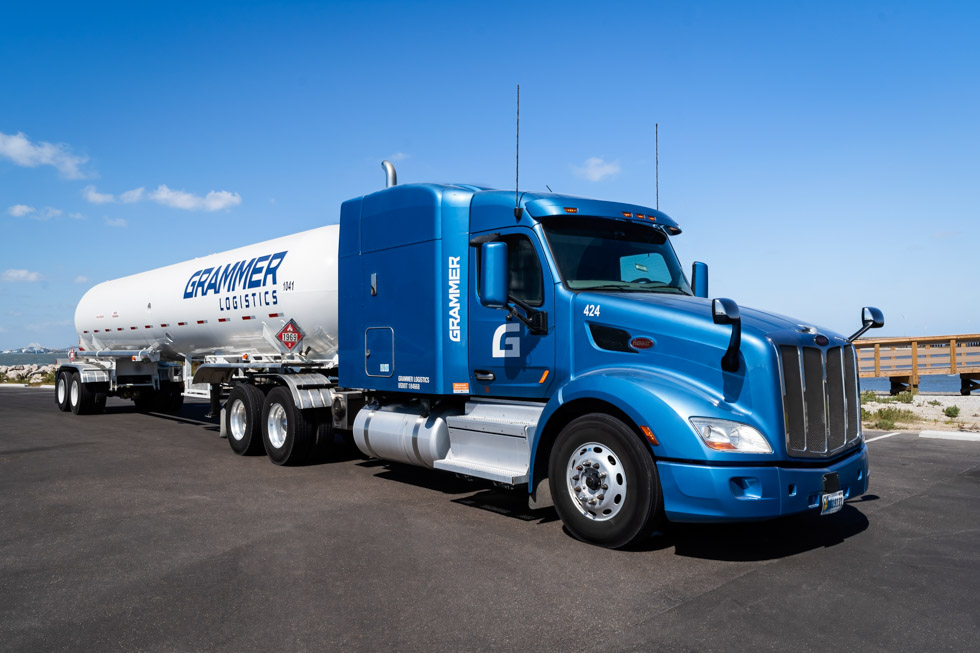
Likewise, the DOT Hazardous Materials Regulations (49 CFR Parts 171-180) govern packaging, placarding, securement and cargo handling throughout the entire trip. Hazmat drivers must ensure proper placards are displayed, all valves and ports are sealed and in-route checks are performed, which is especially critical with NGL products where temperature fluctuations can rapidly increase internal pressure.
Failure to comply with these standards exposes carriers to penalties exceeding $18,000 per violation, potential out-of-service orders, litigation liability and long-lasting damage to compliance, safety and accountability scores. These scores influence insurance premiums, customer requirements and even driver employability.
OSHA standards further apply during loading, unloading and maintenance operations, reinforcing the need for a strong safety culture across all aspects of NGL handling.
The Role of Leadership in Safe Operations
For carriers, leadership plays a pivotal role in risk mitigation. Rigorous inspection practices; attention to high-risk items like brakes, tires and lighting systems; and consistent internal audits aligned with FMCSA Part 396 and hazmat protocols are essential. Preventing unplanned breakdowns is not only a safety measure, but it also protects customer satisfaction, delivery schedules and key utilization metrics.
Transportation companies must excel in the details of safety and compliance. When a customer partners with a transportation company, they expect one thing: safe, dependable transportation. Their product is valuable, timelines are critical and execution is a must.
For example, at Grammer Logistics, thorough pre-trip, post-trip and interim inspections are embedded into the company’s operating standards — not simply as regulatory requirements, but as essential components of service and reliability.
An MC-331 tank trailer is a powerful, specialized piece of equipment. The most common roadside violations include brakes, lights and tires (or, as the Grammer Logistics team calls it, “unwanted BLT”). All are preventive issues that should be caught before the vehicle ever moves. Strict inspection practices significantly reduce the likelihood of on-the-road hazards that could jeopardize the delivery. Company training programs should be implemented to ensure drivers are trained to meet all FMCSA and DOT requirements and reinforce the company’s commitment to absolute compliance with 49 CFR §396.11 and §396.13.
Drivers should also be trained extensively in loading, transporting and unloading bulk hazardous materials and follow strict procedures for personal protective equipment, attendance during transfers, staging and pre-transfer tank level verification.
Safe operations begin with the right equipment, the right drivers and the right culture.