



As ports across the country work to lower emissions, maintain operational efficiency and control costs, West Basin Container Terminal (WBCT) at the Port of Los Angeles stands out as one of the industry’s most compelling examples of how clean alternative fuels can succeed at full scale. Long before terminals began evaluating diesel alternatives, WBCT recognized the potential of propane power. More than 20 years later, the environmental and operational results speak for themselves.
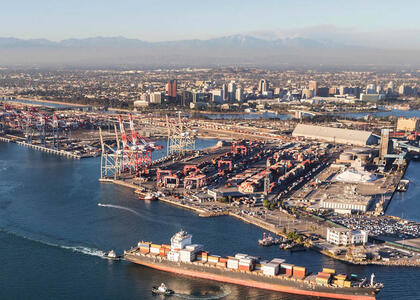
With 300 acres of space and four berths handling over 1 million vessel lifts each year, WBCT depends on a demanding schedule and a diverse fleet that includes yard tractors, as well as forklifts, rubber tire gantry cranes and top loaders. The terminal began transitioning from Tier III diesel engines to propane in 2003. The initial decision to acquire new propane equipment stemmed from a planned expansion of the facility. The project’s Supplemental Environmental Impact Report required exclusively nondiesel terminal tractors to operate on the new site.
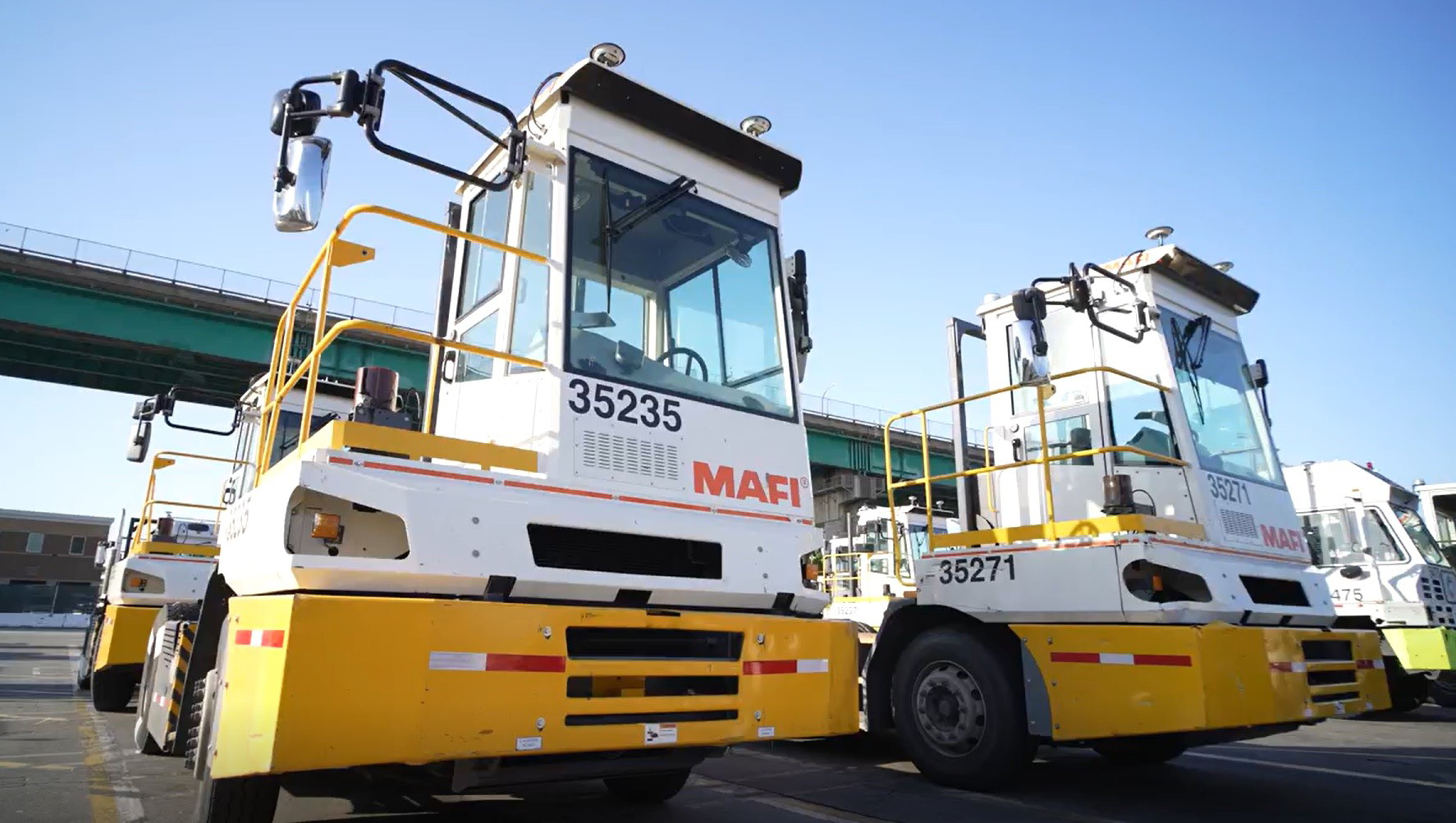
After considering the cost, emissions and performance advantages of propane, as well as the inefficiencies of only being able to use one type of fuel in part of the facility, WBCT decided to convert its entire terminal tractor fleet to propane. Today, the terminal runs 75 propane-powered terminal tractors and counting. Lower Emissions WBCT’s conversion from diesel to propane was an ambitious decision at the time, as diesel was still the lifeblood of most container terminals and few port operators were considering alternative fuels. “We were the first container terminal in the United States to convert our yard tractor fleet totally to propane over 20 years ago,” shared Willy Won, director of engineering for Ports America. “That decision was driven by our commitment to reduce emissions while maintaining operational performance and cost-effectiveness.” The move positioned WBCT well ahead of today’s regulatory landscape. The terminal now operates ultra-low NOx propane engines certified by the U.S. Environmental Protection Agency and the California Air Resources Board, enabling up to a 96% reduction in emissions of nitrogen oxides compared with diesel. At a time when ports are increasingly prioritizing community health and regulatory compliance, the environmental impact of this shift has been substantial.
Uncompromising Power
With ships coming and going constantly, ports cannot afford to compromise on performance. At WBCT, propane has consistently matched the power and capability of diesel equipment.
“The ultra-low NOx propane engines have really been able to meet our duty cycles and also benefit our emissions reduction goals,” said Won. “There’s been no difference in our operational requirements. The equipment performs the same, but now it’s much cleaner.”
From container shuttles to multishift operations, the propane-powered tractors maintain the torque and horsepower needed for heavy-duty port work. Engines such as the PSI 8.8-liter found in MAFI’s propane terminal tractor deliver 270 horsepower and 565 foot-pounds of torque — more than enough strength to support intensive daily operations. WBCT’s fleet runs cleaner without sacrificing reliability or throughput.
Lower Costs
Another significant advantage of the switch to propane was lower fuel costs, as historically, propane has averaged half the cost of diesel per gallon. In 2024, WBCT paid an average of $1.66 per gallon for propane — less than half the $3.44 per gallon price of diesel. “Up until recently, the federal government also provided an annual Alternative Fuel Tax Credit ranging between 37 cents and 50 cents per gallon purchased, which gave us further savings,” Won said.
The up-front investment in purchasing propane-powered equipment, even in a state like California, is also more economical. According to a 2021 study of San Pedro Bay Ports, the purchase price of near-zero-emissions propane tractors averages approximately $150,000 per unit, while many electric yard tractors average more than double at $320,000 per unit (not including expensive recharging infrastructure). Conversely, propane refueling stations can be installed without extensive redesign, reconfiguration or operational disruptions. Propane engines also run cleaner than diesel and avoid the necessity of today’s diesel emissions systems, including the cost of diesel exhaust fluids and filters. Choosing propane helped WBCT reduce maintenance downtime and associated expenses.
Operational Uptime
In an industry where equipment uptime directly impacts operations, refueling efficiency is critical. Propane offers a major advantage here, particularly compared with battery-electric equipment. “When a propane unit runs out of fuel, it takes about 10 minutes to refuel and get back to work,” Won explained. “Compare that with electric counterparts, which may be down for multiple shifts waiting for a charge.”
This fast turnaround on refueling allows WBCT to maximize equipment availability and avoid disruptions during peak cargo flows. Likewise, propane’s robust on-site storage capacity — more than 100,000 gallons in WBCT’s case — ensures a stable supply of energy that isn’t dependent on grid availability.
“Infrastructure has been a major issue for electric systems,” Won noted. “The brownouts we’ve experienced, and the limitations of our electrical grid have made propane reliable as we work toward long-term zero-emission goals.” This proven reliability has helped WBCT maintain operational uptime, even as California’s grid faces increasing strain from weather, rising demand and electrification pressure.
A Model for Cleaner Port Operations
With more than two decades of experience, WBCT offers a real-world blueprint for other ports seeking meaningful emissions reductions without the costs or operational limitations associated with other alternative energy sources. As port authorities and terminal operators look to continue transitioning to cleaner energy options, WBCT’s approach demonstrates that scalable, lower-emission solutions are available right now. Propane provides a well-established, cost-effective and operationally seamless option that can help ports move toward their environmental targets with confidence.
To learn more about how propane can make a difference at ports, visit propane .com/ports.