
Temperature Compensation Updates on Handbook 130 Regulations to Keep Top of Mind
What the 2034 extension means for marketers
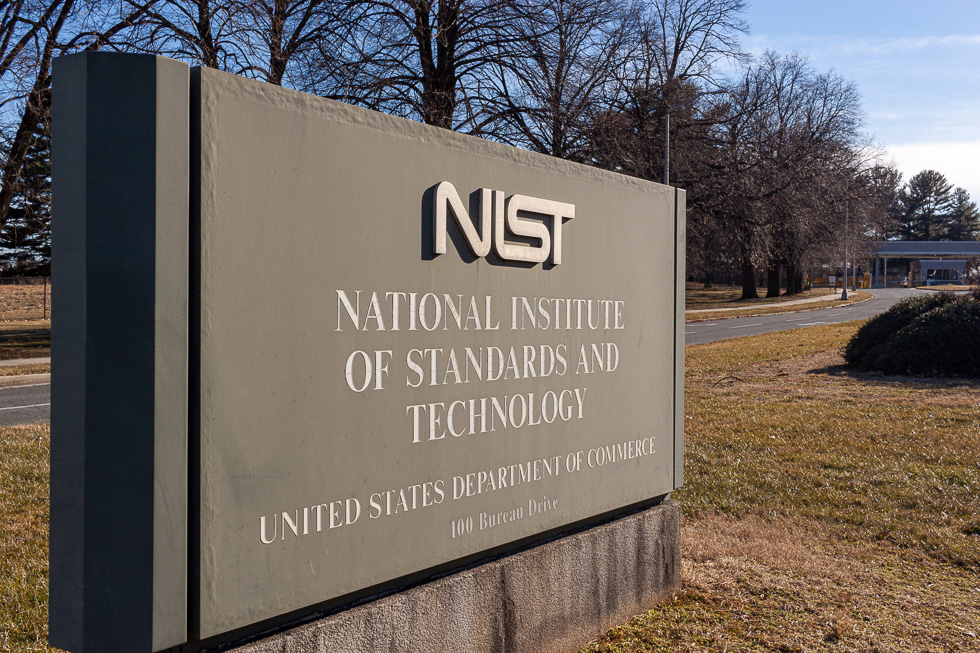
In my previous article titled “How New Handbook 130 Regulations Will Transform the Propane Industry” (see BPN’s July 2024 issue), I outlined the significant changes coming from the 2024 edition of the National Institute of Standards and Technology (NIST) Handbook 130, regarding automatic temperature compensation (ATC) for liquid propane meters. At that time, the industry was facing two key compliance dates: Jan. 1, 2026, and Jan. 1, 2030.
Where We Stand in 2026
As we move through 2026, there is important news: The retrofit deadline for existing in-service meters has been extended to Jan. 1, 2034, in states adopting the revised language. This extension was secured through advocacy efforts led by the National Propane Gas Association in cooperation with the National Conference on Weights and Measures, as well as NIST. The requirement has not gone away — but the runway is longer.
What the 2034 Extension Means
The first compliance milestone has already arrived. As of Jan. 1 of this year, any liquid propane meter with a flow rate of 20 gallons per minute or less that is placed into service must be equipped with automatic temperature compensation. This applies to:
- New installations
- Meters replaced due to failure
- Meters that are removed and later reinstalled
The long-standing exemption for low-flow meters — which had existed since 1986 — is now officially over. However, the original mandate requiring all in-service meters to comply by Jan. 1, 2030, has been extended to Jan. 1, 2034, in adopting states.
This is a meaningful change for the propane industry.
First, this is not permanent grandfathering. Non-ATC meters currently in service will still need to be upgraded or replaced to meet requirements. The extension simply provides additional time for compliance.
Second, Handbook 130 is a model code. States adopt and enforce it individually. Marketers should verify their own state’s adoption timeline and enforcement guidance.
Third, while 2034 may feel distant, the scope of impact remains significant. Thousands of small, low-flow propane meters across the country will ultimately require modification. The extension gives marketers flexibility — but it should not encourage delay.
Why This Code Change Matters
Unlike past industry upgrades, such as the overfill protection device mandate or bulk plant upgrades under NFPA 58 (from the National Fire Protection Association), this requirement directly affects retail transactions. ATC adjusts the metered volume of propane to 60 F, the national reference temperature for petroleum products.
Without ATC:
- In colder weather, customers receive slightly more propane than indicated.
- In warmer weather, they receive slightly less.
ATC ensures that a gallon is a true gallon regardless of ambient temperature. It standardizes transactions, improves measurement equity and aligns propane with other motor fuel industries.
Upgrade or Replace? A Practical Equipment Discussion
With the extended timeline, marketers now have the opportunity to make measured equipment decisions rather than reacting under pressure.
Retrofitting Existing Meters
Many meters can be upgraded with an ATC retrofit kit. Typical costs range between $1,700 and $3,000 per meter, depending on compatibility.
Keep in mind:
- Not all meter models are upgradeable.
- Installation requires downtime.
- Meters must be properly recalibrated after installation.
- Some states may require recertification or mobile prover verification.
For relatively new meters in good mechanical condition, retrofitting may be the most economical option.
Full Replacement
For older meters, replacement may be the better long-term investment.
A new meter with factory-installed ATC may offer:
- Better long-term durability
- Electronic register options
- Compatibility with digital systems
- Extended service life beyond 2034
Investing $2,000 in a 15-year-old meter may not always be the best capital decision.
Avoiding a 2033 Bottleneck
The propane industry has been through large-scale compliance transitions before. One consistent lesson: Waiting until the final compliance window increases cost and operational strain.
Consider what could happen if a large portion of the industry waits until 2032 or 2033:
- Limited availability of ATC kits
- Longer equipment lead times
- Technician shortages
- Delays in scheduling required prover certification
The extension to 2034 allows marketers to spread capital expenditures across multiple budget cycles. That flexibility should be used strategically.
A Proactive Approach for 2026 & Beyond
In 2026, a smart approach includes:
- Inventorying all low-flow meters in service
- Identifying which models are eligible for upgrade
- Evaluating overall age and mechanical condition
- Prioritizing high-volume locations
- Building a multiyear upgrade plan through 2032
Many marketers are choosing to coordinate ATC compliance with broader modernization efforts: dispenser upgrades, cardlock integration or fleet fueling expansions. Combining projects can reduce downtime and improve overall return on investment.
The 2034 retrofit extension is a positive development for the industry. It reflects productive engagement between regulators and propane advocates. It gives marketers time to plan thoughtfully rather than react urgently.
But the direction of the code is clear. Automatic temperature compensation will become the universal standard for liquid propane measurement. The question is not whether upgrades will be required — it is how and when you will implement them.
The marketers who treat 2026 as the starting point — not the midpoint — will control costs, minimize disruption and maintain full compliance well before the deadline arrives.
Plan Now to Stay Ahead
As you prepare for 2034, it may seem far away. But in capital planning terms, it is right around the corner.
OUR DIGITAL PARTNERS