
How 2025 PHMSA Changes Will Impact Propane Distributors
If the regulatory agency inspected your company today, would you pass?
On Nov. 20, 2025, the Pipeline and Hazardous Materials Safety Administration (PHMSA) released a memo that shifts how it prioritizes inspections and enforcement actions. For companies that manufacture, ship, package or transport hazardous materials, this signals a change that requires immediate attention and prep.
For propane shippers, this means increased scrutiny across compliance areas like employee training, shipping documentation, packaging selection, emergency response info, and condition and regulatory status of cylinders and cargo tanks used for transport.
Because propane distribution relies heavily on reusable cylinders that remain in circulation for many years, PHMSA’s risk-based inspection approach places particular importance on whether companies maintain proper oversight of these assets and the records that support their continued safe use. Understanding how cylinder compliance fits into PHMSA’s broader inspection priorities helps ensure operational readiness.
What Changed in PHMSA’s Enforcement Approach?
The memo from PHMSA’s Office of Hazardous Materials Safety emphasizes targeting inspections and enforcement where they provide the greatest positive impact on hazardous materials safety while avoiding overly broad or novel interpretations of regulations. In practice, this means PHMSA inspections will be increasingly risk-based rather than purely random. The memo identifies specific outreach initiatives inspection priorities and enforcement standards that regulated entities should understand and prepare for immediately.
PHMSA’s Strategic Priorities: What Companies Should Know
1. Outreach Priorities
PHMSA emphasizes proactive engagement to improve compliance before enforcement becomes necessary. This includes strengthening communication with hazmat shippers, clarifying packaging selection requirements and promoting accurate classification of materials prior to shipment. Because packaging and classification remain among the most common sources of violations, staying informed is critical.
Companies that actively participate in PHMSA webinars, seek regulatory guidance and implement good-faith compliance practices are generally less likely to have errors or noncompliance issues. By staying informed and applying best practices, companies reduce risk of violations before inspections ever occur.
2. Inspection Priorities
PHMSA’s inspections now focus on operations that present the highest safety risk or recurring compliance concerns. Priority targets include:
- General hazardous materials shippers and offerers
- Cylinder requalification and manufacturing facilities
- Drum manufacturing and recertification operations
- Lithium battery shippers
- E-commerce platform shippers with potential undeclared hazardous materials
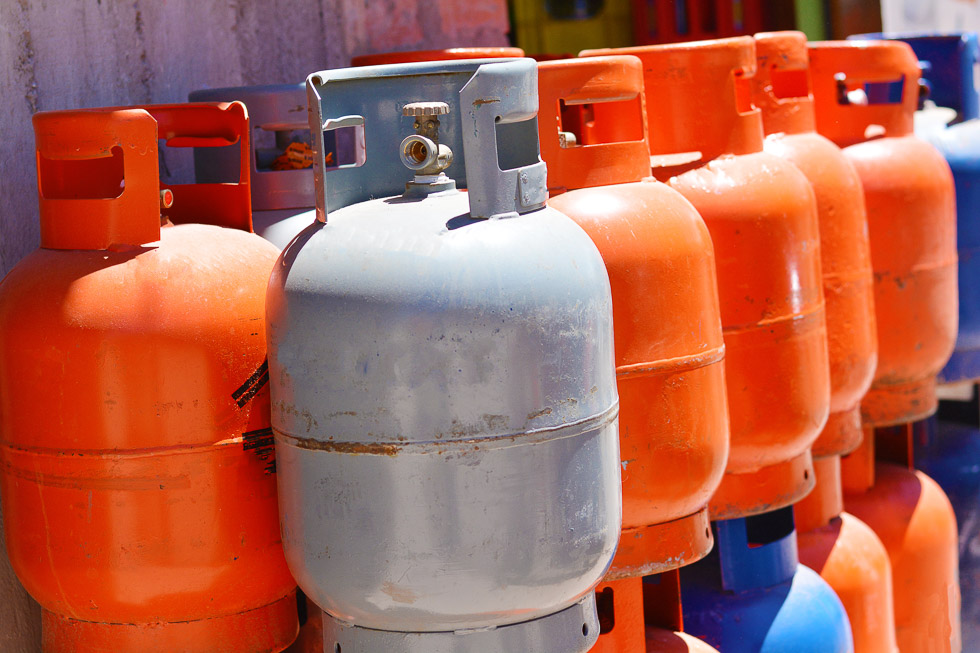
Among these priorities, cylinder requalification and life-cycle management represent a particularly important focus area for propane distributors. Unlike single-use packaging, Department of Transportation (DOT) cylinders are repeatedly refilled and transported over long service lives, making periodic inspection and requalification essential to ensuring their structural integrity and safe transport. PHMSA inspectors routinely verify that cylinders are within their authorized requalification period, properly marked in accordance with regulatory requirements and supported by complete and traceable test records. Expired requalification markings, missing documentation or inadequate tracking systems may indicate broader compliance weaknesses and can result in enforcement action.
Under PHMSA’s risk-based inspection model, companies must be able to demonstrate immediately that cylinders in service have been properly inspected, tested and approved for continued transportation, making cylinder requalification tracking a critical component of hazardous materials compliance for your operations.
PHMSA also emphasizes follow-up inspections for companies with prior violations to verify that corrective actions were implemented. Inspections are increasingly data-driven and risk-based, rather than routine or evenly distributed.
3. Enforcement Standards
PHMSA’s enforcement approach is now timely, consistent and risk focused. Violations posing the greatest risk to public safety, the environment or transportation security receive enforcement priority. By leveraging trend analysis and case management data, PHMSA identifies recurring violations and emerging risks, meaning companies with compliance gaps or a history of violations can expect increased scrutiny.
What PHMSA Will Likely Request During an Inspection
PHMSA inspections routinely review documentation that demonstrates compliance. Based on standard practices, inspectors may request:
Hazmat Employee Training (49 CFR 172.704)
- Initial and recurrent training (every three years), covering general awareness, function-specific tasks, safety and security awareness
- Training records must be maintained while employees perform hazmat functions and for 90 days afterward
- Documentation of training completion and testing/certification
Shipping Papers & Documentation (49 CFR 172.200–205)
- Proper shipping name, hazard class, identification number (UN/NA)
- Packing group and total quantity
- Emergency response information (49 CFR 172.602), including a 24-hour emergency contact number
- Retention — one-year minimum (three years for hazardous waste shipments)
Packaging Selection & Certification (49 CFR 173)
- Evidence that packaging was selected according to the Hazardous Materials Table (49 CFR 172.101)
- Packaging specifications and certification documents
- Requalification records for reusable containers (cylinders, IBCs, etc.)
- Proof that packaging meets performance standards for materials shipped
Security Plans (49 CFR 172.800–804, if required)
- Written security plan for companies shipping high-consequence materials
- Security awareness training documentation and records
- Personnel security background checks (if applicable)
Incident Reports (49 CFR 171.15–16)
- Immediate notice of certain hazmat incidents
- Written incident reports filed with PHMSA (Form F 5800.1)
- Internal incident investigations and corrective actions
Attention: Failure to provide requested documentation promptly — typically in minutes — can itself indicate inadequate safety management controls. Missing multiple documentation categories may be seen as a systemic deficiency.
Cylinder Inspection & Requalification Records (49 CFR 180.205, 180.209, 180.213)
- Requalification records, including hydrostatic testing or visual inspection results, as applicable
- Confirmation that cylinders are within their authorized requalification interval (typically five, seven or 12 years depending on method used)
- Proper requalification markings stamped on the cylinder, including:
- Requalifier identification number (RIN) Month and year of requalification
- Test method marking (hydrostatic test, external visual inspection, etc.)
- Evidence that requalification was performed by an authorized facility holding a valid
- RIN Procedures for removing expired or noncompliant cylinders from service
- Internal tracking systems used to monitor cylinder requalification status
- Records demonstrating that cylinders with expired or invalid requalification markings are not offered for transportation
Compliance Self-Assessment
Don’t wait for PHMSA to discover gaps. Here’s how to evaluate readiness:
Immediate Assessment (This Week)
- Test your 24-hour emergency contact and make sure your provider has your most up-to-date information, including the correct contact person, current Safety Data Sheets and relevant shipping details.
- Identify hazmat employees whose training expires within 90 days, verify records are accessible and complete, and confirm training covers all four required areas.
- Review the last 10 shipments to ensure completed shipping papers, packaging selection that matches Hazardous Materials Table requirements and correct emergency contacts.
- Physically inspect a representative sample of cylinders currently in storage or prepared for shipment. Verify that requalification markings are present, legible and within the authorized test interval. Confirm that any cylinders with expired or unreadable markings have been removed from service and are not being offered for transportation.
Comprehensive Assessment (This Month)
- Create a master list of all hazmat employees with training dates and expiration tracking.
- Ensure your training program meets 49 CFR 172.704 requirements.
- Implement a compliance calendar for recurrent training, container requalification and other obligations.
- Document procedures and responsibilities for packaging selection, classification and shipping paper preparation.
- Verify that your organization maintains a reliable system for tracking cylinder requalification status, including inspection dates, requalification intervals and authorized RINs. Confirm procedures are in place to prevent expired cylinders from being filled or shipped.
Ongoing Compliance Activities
- Subscribe to PHMSA regulatory updates, safety notices and Federal Register publications.
- Conduct quarterly internal audits of shipments, training records and emergency contacts.
- Set procedures for periodic visual inspection of cylinders during normal handling and filling operations.
- Participate in industry associations, webinars and networking.
- Engage professional consultants for complex compliance areas as needed.
Strategic Value of Compliance
Compliance with hazardous materials regulations is about more than avoiding fines or enforcement actions. For propane distributors, it is fundamental to ensuring cylinders, cargo tanks and supporting systems remain safe for continued transportation and handling throughout their service life.
Companies that maintain strong safety management systems, deliver thorough training and ensure cylinders are properly inspected, requalified and documented are actively reducing the risk of leaks, fires and transportation incidents. Just as importantly, accurate shipping documentation and emergency response info enable emergency responders to act quickly and safely during incidents. Conversely, gaps in compliance or reactive approaches don’t just increase regulatory scrutiny — they increase the risk of events that can cause injury, environmental damage and significant operational disruption.
OUR DIGITAL PARTNERS